
The cartoon series index
AnimeDex: the cartoon series index, 175 animated series from the 1960s to today, and where to watch them
An index card for every series: Saturday-morning classics, after-school adventures, cable comedies and new streaming series, each with its years, seasons, episodes and a Watch now button. Open a drawer and start browsing.
Open a drawer
Most consulted
All cards →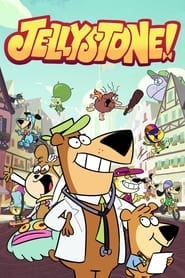 Jellystone!Run2021–2025Seas.3Eps67StudioWarner Bros. Animation
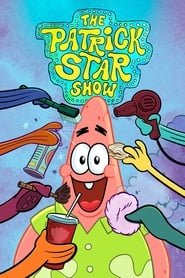 The Patrick Star ShowRun2021–2026Seas.5Eps162StudioUnited Plankton Pictures
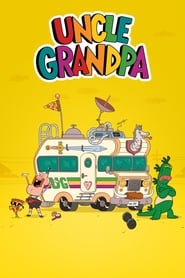 Uncle GrandpaRun2013–2017Seas.5Eps156StudioCartoon Network Studios
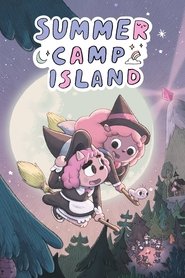 Summer Camp IslandRun2018–2023Seas.6Eps120StudioCartoon Network Studios
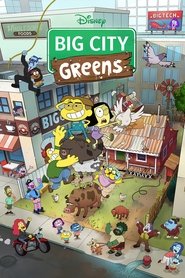 Big City GreensRun2018–2026Seas.5Eps220StudioDisney Television Animation
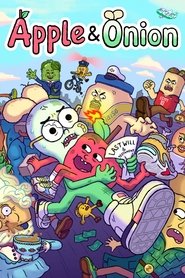 Apple & OnionRun2018–2021Seas.2Eps76StudioCartoon Network Studios
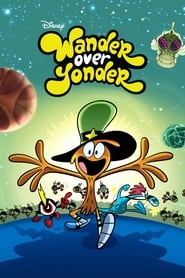 Wander Over YonderRun2013–2016Seas.2Eps79StudioDisney Television Animation
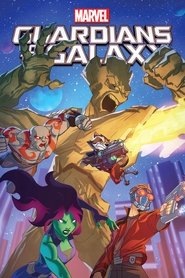 Marvel's Guardians of the GalaxyRun2015–2019Seas.3Eps77StudioMarvel Animation
Newest cards
All cards →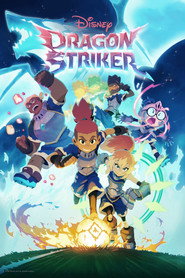 Dragon StrikerRun2026Seas.1Eps11StudioLa Chouette Compagnie
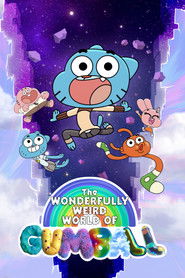 The Wonderfully Weird World of GumballRun2025Seas.2Eps40StudioHanna-Barbera Studios Europe
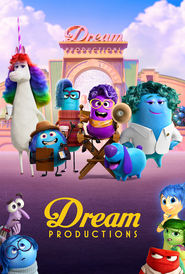 Dream ProductionsRun2024Seas.1Eps4StudioPixar
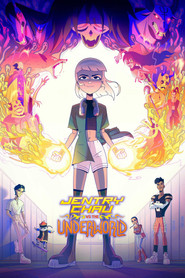 Jentry Chau vs the UnderworldRun2024Seas.1Eps13StudioTitmouse
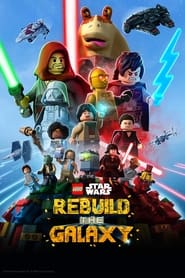 LEGO Star Wars: Rebuild the GalaxyRun2024Seas.1Eps4StudioLucasfilm Ltd.
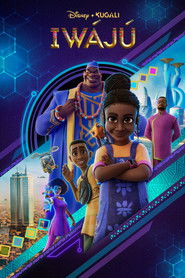 IwájúRun2024Seas.1Eps6StudioKugali
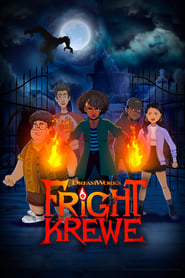 Fright KreweRun2023–2024Seas.2Eps20StudioDreamWorks Animation Television
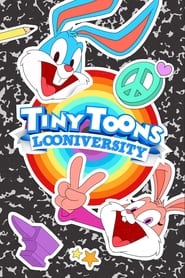 Tiny Toons LooniversityRun2023–2025Seas.2Eps23StudioAmblin Television
Hanna-Barbera and friends
All cards →- Jellystone!Run2021–2025Seas.3Eps67StudioWarner Bros. Animation
 What a Cartoon!Run1995–2002Seas.3Eps82StudioHanna-Barbera Cartoons
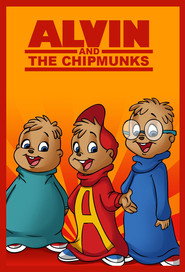 Alvin and the ChipmunksRun1983–1990Seas.8Eps172StudioDiC
 Dumb and DumberRun1995–1996Seas.1Eps23StudioHanna-Barbera Cartoons
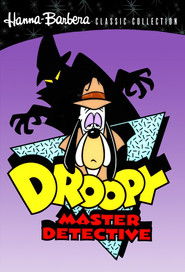 Droopy, Master DetectiveRun1993Seas.1Eps39StudioHanna-Barbera Cartoons
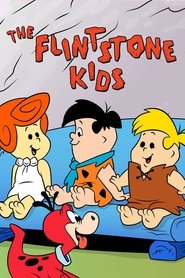 The Flintstone KidsRun1986–1988Seas.2Eps76StudioHanna-Barbera Cartoons
- The Wonderfully Weird World of GumballRun2025Seas.2Eps40StudioHanna-Barbera Studios Europe
 The Plastic Man Comedy/Adventure ShowRun1979–1980Seas.1Eps35Studio—
Toys and games
All cards →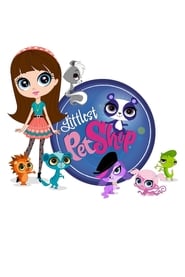 Littlest Pet ShopRun2012–2016Seas.4Eps104StudioDHX Media
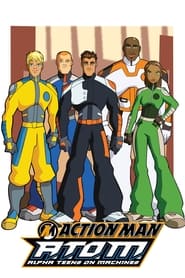 Action Man: A.T.O.M.Run2005–2007Seas.2Eps52StudioSIP Animation
- LEGO Star Wars: Rebuild the GalaxyRun2024Seas.1Eps4StudioLucasfilm Ltd.
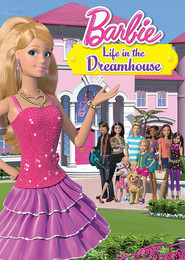 Barbie: Life in the DreamhouseRun2012–2015Seas.7Eps110StudioArc Productions
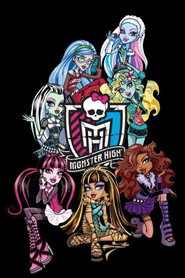 Monster HighRun2010–2015Seas.6Eps178StudioMattel
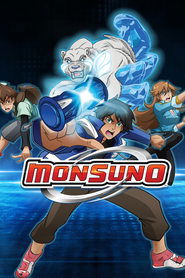 MonsunoRun2012–2014Seas.3Eps65StudioLarx Entertainment
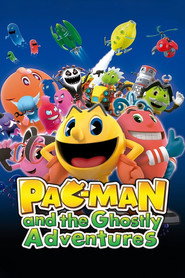 Pac-Man and the Ghostly AdventuresRun2013–2015Seas.3Eps52Studio41 Entertainment
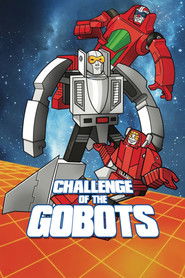 Challenge of the GoBotsRun1984–1985Seas.2Eps65StudioHanna-Barbera Cartoons
British series
All cards →- Jellystone!Run2021–2025Seas.3Eps67StudioWarner Bros. Animation
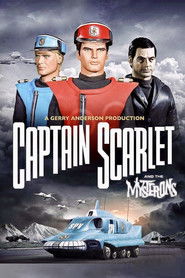 Captain Scarlet and the MysteronsRun1967–1968Seas.1Eps32StudioCentury 21 Productions
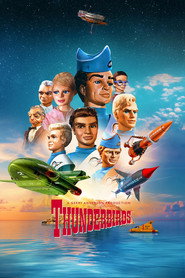 ThunderbirdsRun1965–1966Seas.2Eps32StudioAP Films
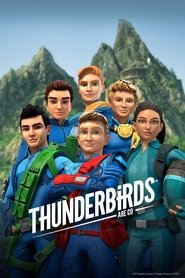 Thunderbirds Are Go!Run2015–2020Seas.3Eps78StudioWētā Workshop
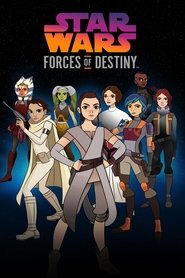 Star Wars: Forces of DestinyRun2017–2018Seas.2Eps32StudioLucasfilm Animation
- The Wonderfully Weird World of GumballRun2025Seas.2Eps40StudioHanna-Barbera Studios Europe
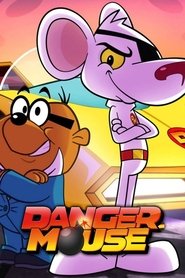 Danger MouseRun2015–2019Seas.2Eps100StudioFremantleMedia Kids & Family Entertainment
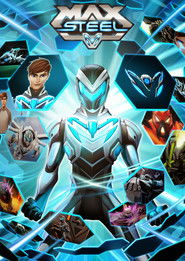 Max SteelRun2013–2014Seas.2Eps52StudioNerd Corps Entertainment
Canadian series
All cards →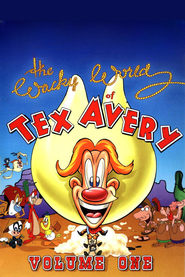 The Wacky World of Tex AveryRun1997Seas.1Eps195StudioDiC
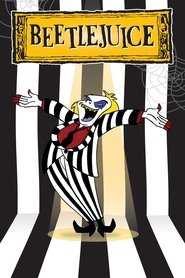 BeetlejuiceRun1989–1991Seas.4Eps109StudioNelvana
- Littlest Pet ShopRun2012–2016Seas.4Eps104StudioDHX Media
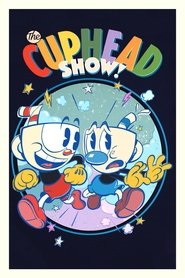 The Cuphead Show!Run2022Seas.3Eps36StudioKing Features Syndicate
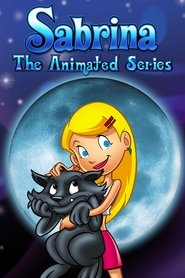 Sabrina: The Animated SeriesRun1999–2000Seas.1Eps65StudioRiverdale Productions
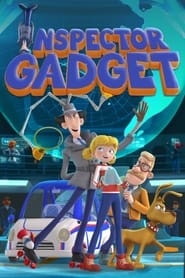 Inspector GadgetRun2015–2018Seas.4Eps104StudioDHX Media
 The Snoopy ShowRun2021–2023Seas.3Eps39StudioCharles M. Schulz Creative Associates
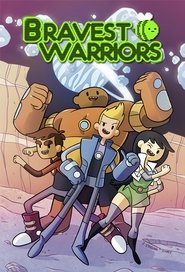 Bravest WarriorsRun2012–2018Seas.4Eps82StudioFrederator Studios
Disney and Pixar
All cards →- Big City GreensRun2018–2026Seas.5Eps220StudioDisney Television Animation
- Wander Over YonderRun2013–2016Seas.2Eps79StudioDisney Television Animation
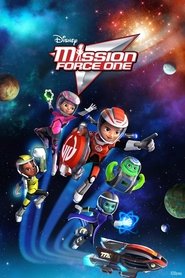 Miles from TomorrowlandRun2015–2018Seas.3Eps144StudioWild Canary
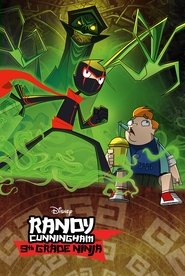 Randy Cunningham: 9th Grade NinjaRun2012–2015Seas.2Eps100Studio—
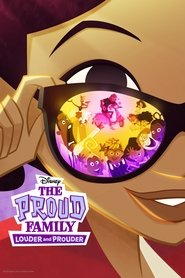 The Proud Family: Louder and ProuderRun2022–2026Seas.4Eps39StudioJambalaya Studio
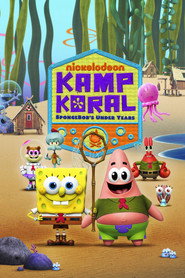 Kamp Koral: SpongeBob's Under YearsRun2021–2024Seas.2Eps75StudioNickelodeon Animation Studio
- Dream ProductionsRun2024Seas.1Eps4StudioPixar
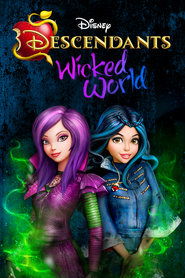 Descendants: Wicked WorldRun2015–2017Seas.2Eps36StudioBad Angels Productions, Ltd.
App, domains and help
- How to watch with AnimeDexFrom the index card to the screen.
- Saturday morningsThe classics of the 1960s and 1970s.
- The 1980s and 1990sRobots, heroes and comedies.
- Modern seriesFrom the 2010s to today.
- The studiosHanna-Barbera, Disney, DreamWorks and more.
- Canada and BritainSeries from Toronto, Vancouver, London and Bristol.
- Languages and dubsEnglish and more.
- The official AnimeDex siteHow to recognise AnimeDex.
- Is AnimeDex working?A quick check and easy fixes.
- Where AnimeDex series streamThe official services behind the index.
- Apps and devicesPhones, tablets, laptops and TVs.
- Free animated seriesLegal ways to watch at zero cost.
- Streaming safelyA short checklist for families.
- Finding a seriesSearch tips.
- My ListKeeping series for later.
AnimeDex: the cartoon series index, from Jonny Quest, Thunderbirds and Schoolhouse Rock! to Beetlejuice, The Angry Beavers, Wander Over Yonder, DreamWorks Dragons and The Cuphead Show!
Every generation has its cartoons. For some, they are the Saturday morning adventures of the 1960s and 1970s; for others, the robots and heroes of the 1980s, the after-school comedies of the 1990s, the cable favourites of the 2000s or the streaming series of today. AnimeDex is an index of these animated series, gathered like the cards of an old library catalogue, with a card for every series and a Watch now button that leads to the official services.
The index holds 175 animated series for families and young viewers, from 1964 to 2026. Its drawers hold Hanna-Barbera classics such as Jonny Quest and The Herculoids; puppet adventures such as Thunderbirds and Captain Scarlet; educational favourites such as Schoolhouse Rock!; the robot and fantasy series of the 1980s, from Voltron to Visionaries; the 1990s comedies Beetlejuice, Taz-Mania and The Angry Beavers; Canadian and British series from 6teen to Danger Mouse; and modern series from Wander Over Yonder and DreamWorks Dragons to The Cuphead Show! and Iwájú.
Every series has its own page with the story, the voice cast, the studio and every episode with its first air date, plus a Watch now button that opens it on JustWatch for the country you choose. This guide explains how the index works and then opens each drawer in turn, from the Saturday mornings of the 1960s to the newest series of the 2020s.
Why an index of animated series
Animated series are easy to forget and wonderful to rediscover. Many ran for only a season or two, aired at odd hours or appeared on channels that have since changed their names. Yet for the children who watched them, these series were a weekly ritual, and their theme songs and characters stay in the memory for decades. An index makes it easy to find a series you half remember, check when it aired and see where to watch it today.
The index is also a fine place to discover something new. Browsing a decade drawer shows how animation changed from one era to the next: the limited animation of the 1960s, the toy-driven adventures of the 1980s, the creator-driven comedies of the 1990s and the polished streaming series of today. Every card is an invitation to press play.
The AnimeDex design
AnimeDex looks like a library card catalogue. A dark walnut header, edged with a brass strip, carries the brass AnimeDex wordmark, the decade links, a search field that looks like a card and a brass My List button. Below it, on a cream page, a wooden cabinet holds six drawers, one for each era, from the 1960s and 1970s to the 2020s. Each drawer has a brass label holder with the decade and the number of cards inside, and a small brass pull.
The series themselves appear as index cards: white cards with a red rule along the top and faint blue lines across them, like the cards in an old catalogue. Each card shows a small poster and, in typewriter letters, the series title, the years it ran, the number of seasons and episodes, and the studio that made it. Hovering over a card lifts it slightly, as if you were pulling it from the drawer. On a phone, the drawers stack in two columns and the cards in one, so the index stays easy to browse with a thumb.
How to use AnimeDex
To find a series, type its name in the search field in the header: part of a title is enough. For a particular episode, add a season and an episode, such as Wander Over Yonder S2E3, and you land directly on it. The Browse page lists every series from A to Z.
To explore, open a drawer. The six decade drawers sort the series by the year they began, and further shelves group them by studio, by country and by genre: Hanna-Barbera and friends, Disney and Pixar, DreamWorks, Toys and games, British series, Canadian series, Comedy, Action and adventure and Top rated. Save anything you like with Add to My List, which keeps your place episode by episode and stays in your browser.
When you are ready to watch, open the series page, choose your country and press Watch now. JustWatch lists the services that carry the series there, from family subscription services to digital stores that sell complete seasons and free services with adverts. Older series move between services often, so the button always shows the current offers.
The 1960s and 1970s
The 1960s and 1970s drawer holds the first great era of television animation. In 1964, Hanna-Barbera launched Jonny Quest, a prime-time adventure series about a boy, his scientist father, their bodyguard Race Bannon and their friend Hadji, travelling the world to solve mysteries. Its realistic designs and exciting stories were unusual for television cartoons of the time and inspired many later adventure series.
Hanna-Barbera followed with fantasy adventures such as The Herculoids, about a family and their friendly monsters on a distant planet, and Shazzan, about two children and a genie, as well as comedies such as The Banana Splits Adventure Hour, The Great Grape Ape Show and Speed Buggy. The superheroes of DC gathered in The All-New Super Friends Hour and Challenge of the Super Friends, and Godzilla gave the famous monster a friendlier television home.
In Britain, Gerry Anderson made Thunderbirds and Captain Scarlet and the Mysterons with Supermarionation, a technique of filming detailed puppets on miniature sets. Thunderbirds follows the Tracy family and their International Rescue organisation, whose amazing vehicles save people in danger around the world, and it remains one of the most loved children's series ever made. Its modern revival, Thunderbirds Are Go!, is also in the index.
Other treasures of the decade include Schoolhouse Rock!, whose short songs taught grammar, mathematics, science and history to millions of American children; The Archie Show, with its bubblegum pop band; The Addams Family of 1973; Return to the Planet of the Apes; Battle of the Planets, an American version of the Japanese Gatchaman; and Paddington Bear, with its charming mix of a puppet bear and drawn backgrounds.
The 1980s
The 1980s drawer is full of robots, heroes and toy lines. Vehicle Force Voltron assembled giant vehicles into a defender of the universe, Challenge of the GoBots offered transforming robots, Visionaries: Knights of the Magical Light mixed knights and magic, and Dinosaucers gave dinosaurs a space-age twist. Defenders of the Earth brought together Flash Gordon, the Phantom and Mandrake the Magician, and The Adventures of the Galaxy Rangers mixed science fiction with the Western.
The decade also brought gentler favourites. Alvin and the Chipmunks returned to television with music and comedy, Heathcliff followed the mischievous orange cat, Fraggle Rock: The Animated Series brought Jim Henson's creatures to animation and The Flintstone Kids imagined Fred, Barney, Wilma and Betty as children. ALF: The Animated Series, Police Academy and The Karate Kid turned popular films and shows into cartoons, and Beetlejuice, made with Tim Burton in 1989, sent the ghost with the most and his friend Lydia on gleefully spooky adventures.
The 1990s
The 1990s drawer holds a golden age of television comedy and adventure. Taz-Mania followed the Tasmanian Devil and his family in the Australian outback, The Angry Beavers followed two beaver brothers, the sensible Norbert and the excitable Daggett, and Earthworm Jim turned the video game hero into a cartoon star. Droopy, Master Detective and The Wacky World of Tex Avery celebrated the great comedy directors of the past, and What a Cartoon!, a showcase of new short cartoons, launched several famous series of the decade.
Adventure series flourished too. The Pirates of Dark Water followed a young prince's quest to save his ocean world, Cadillacs and Dinosaurs adapted a comic about a world after disaster, Mummies Alive! gave ancient Egyptian guardians a modern mission, and Phantom 2040 imagined a future hero. Back to the Future continued the time-travel films in animation, Where's Wally? turned the famous puzzle books into adventures, and Redwall adapted Brian Jacques's novels about brave mice and their abbey. For younger viewers, Babar, Mona the Vampire, Little Bill and Sabrina: The Animated Series offered gentler stories.
The 2000s
The 2000s drawer reflects the rise of cable channels. All Grown Up! imagined the Rugrats as preteens, Ozzy & Drix followed a white blood cell detective inside the human body, Evil Con Carne followed a villain whose brain lives in a jar, and The Life and Times of Juniper Lee followed a girl who protects the human world from magical creatures. Canadian studios made 6teen, about six friends working at a shopping mall, and Total Drama Island, a comic parody of reality competitions that became a worldwide hit.
Action series included Max Steel, Action Man: A.T.O.M. and Dragon Booster, about a boy who races dragons. Yu-Gi-Oh! Capsule Monsters continued the card-game saga, Stoked followed young surfers at a summer resort and Simon's Cat, the hand-drawn short films about a hungry cat and his patient owner, became an online sensation. Wallace & Gromit's Cracking Contraptions showed the inventor and his dog at their gadget-filled best.
The 2010s
The 2010s drawer is the largest in the index. Wander Over Yonder, created by Craig McCracken, follows an optimistic traveller and his steed across the galaxy, spreading kindness to everyone, even the villain Lord Hater. DreamWorks Dragons continues How to Train Your Dragon with Hiccup and Toothless, TRON: Uprising brings the digital world to animation and ThunderCats reboots the 1980s favourite with rich fantasy storytelling.
Comedy flourished in Uncle Grandpa, Apple & Onion, Summer Camp Island, Big City Greens and Camp Lakebottom, while Bee and PuppyCat, Randy Cunningham: 9th Grade Ninja and Packages from Planet X offered new kinds of heroes. British studios relaunched Danger Mouse, and toy and game series such as Monsuno, LEGO Legends of Chima, Angry Birds Toons, Pac-Man and the Ghostly Adventures and Minecraft: Story Mode reached young fans around the world. 3Below: Tales of Arcadia and The Last Kids on Earth brought monsters and aliens into family adventures.
The 2020s
The 2020s drawer holds the newest series, many made for streaming services. The Cuphead Show! brings the rubber-hose style of 1930s cartoons to the video game heroes Cuphead and Mugman, Wizards: Tales of Arcadia completes Guillermo del Toro's trilogy, and Jellystone! reimagines the Hanna-Barbera characters as the citizens of a cheerful town. Disney's short-form series Dug Days, Olaf Presents, Zootopia+ and Pixar Popcorn give favourite film characters new adventures in bite-sized episodes.
Iwájú, a co-production between Disney and the Lagos studio Kugali, imagines a futuristic Lagos through the eyes of a young girl and her best friend, and is one of the most original series in the index. ONI: Thunder God's Tale draws on Japanese folklore in beautiful stop-motion-inspired animation, Unicorn: Warriors Eternal comes from Genndy Tartakovsky and Tiny Toons Looniversity revives the young Looney Tunes. The Snoopy Show, The Patrick Star Show and Kamp Koral: SpongeBob's Under Years bring classic characters to new audiences.
Hanna-Barbera and friends
The Hanna-Barbera and friends drawer gathers the studio that defined television animation. William Hanna and Joseph Barbera developed a style of limited animation that made weekly series affordable, with expressive characters, memorable voices and catchy music, and their studio filled Saturday mornings for three decades. From the adventure of Jonny Quest to the comedy of the Banana Splits and the superheroes of Super Friends, their range was remarkable.
The drawer also holds series by friendly rivals and successors, such as Ruby-Spears, the studio of Thundarr the Barbarian, and modern revivals such as Jellystone!. Watching the drawer in order is a quick history of how American television animation grew up.
Toys and games
The Toys and games drawer gathers series based on toy lines and video games. In the 1980s, toy companies and animation studios worked together closely, producing series such as Voltron, GoBots and Visionaries that are still fondly remembered. Later decades brought Max Steel, Monsuno, LEGO's own worlds, Littlest Pet Shop and Barbie: Life in the Dreamhouse, a witty comedy that winked at its own toy origins.
Video games inspired series such as Earthworm Jim, Pac-Man and the Ghostly Adventures, Angry Birds Toons, Minecraft: Story Mode, The Cuphead Show! and the Transformers: War for Cybertron trilogy. These series are a fun way to see how characters move between play and story, and young fans often enjoy both the games and the cartoons.
Canada and Britain
Many of the series in the index come from Canada, home of studios such as Nelvana in Toronto and Fresh TV, and the Canadian series drawer gathers thirty-five of them, from Babar and Mona the Vampire to 6teen, Total Drama, Stoked and Camp Lakebottom. Canadian animation is known for its warmth, its humour and its careful craft, and its series are shown around the world.
The British series drawer holds the puppet adventures of Gerry Anderson, Paddington Bear, Danger Mouse, Simon's Cat, Wallace and Gromit and the Walking with Dinosaurs documentaries, which brought prehistoric creatures to life with computer animation. British animation brings a gentle, often eccentric humour that families everywhere enjoy.
The Saturday morning ritual
For generations of children in North America, Saturday morning meant cartoons. From the late 1960s to the 1990s, the major television networks filled their weekend mornings with animated series, and children woke early, poured a bowl of cereal and settled in front of the set for hours of adventures and comedy. Each autumn, the networks unveiled new series with great fanfare, and children compared notes at school on Monday.
The Saturday morning schedule shaped animation itself. Studios made series quickly and on modest budgets, which encouraged bold designs, strong voice acting and memorable theme songs. Many of the series in the index were made for these mornings, and watching them today brings back the feeling of a slow weekend at home. A Saturday morning marathon of classics from the index, with cereal and pyjamas, is a lovely way to share that feeling with children.
After school and on cable
From the 1980s, a second home for cartoons opened in the afternoons. Syndicated series aired after school, and in the 1990s cable channels devoted to children's programming began broadcasting animation all day. These channels commissioned their own series, often giving creators great freedom, and the result was a wave of distinctive comedies and adventures with strong personal styles.
The cable era also changed how series were made. Seasons became longer, stories more ambitious and characters more complex. Many series that began on cable later moved to streaming services, and today's streaming series continue that spirit of creative freedom. The index lets you trace this history from series to series.
Theme songs
Theme songs are one of the joys of animated series. A good theme song tells you everything about a series in thirty seconds: who the heroes are, what they want and what kind of fun is in store. Many viewers can still sing the theme songs of their childhood decades later, from the brassy fanfare of Thunderbirds to the bubblegum pop of the Archies and the rock anthems of the 1980s adventure series.
Some series used their songs to teach, as Schoolhouse Rock! did with its unforgettable lessons on grammar and multiplication. Others became hits in their own right. Listening to a theme song before choosing a series is a fun way to decide what to watch, and families often find themselves singing along together.
The creators
Behind many series stands a single creative voice. Craig McCracken, who created The Powerpuff Girls, made Wander Over Yonder; Genndy Tartakovsky, the creator of Dexter's Laboratory and Samurai Jack, made Unicorn: Warriors Eternal; Guillermo del Toro produced the Tales of Arcadia trilogy, from which the index holds 3Below and Wizards. Gerry and Sylvia Anderson created Thunderbirds and Captain Scarlet, and Tim Burton's film inspired Beetlejuice.
Following a creator from series to series is a rewarding way to explore animation. You start to notice their favourite themes, their style of humour and the way they design characters, and each new series feels like a conversation with an old friend.
Choosing by age
The index covers a wide range of ages. For younger children, choose gentle series such as Babar, Little Bill, Mona the Vampire, The Snoopy Show, Olaf Presents, Dug Days, Simon's Cat or Summer Camp Island. Their episodes are short and their humour kind. For children from about seven, the comedies and adventures of the 1990s and 2010s, from The Angry Beavers to Wander Over Yonder, Big City Greens and Randy Cunningham, are perfect.
Older children and teenagers enjoy the action series, from Jonny Quest and ThunderCats to DreamWorks Dragons, TRON: Uprising, gen:LOCK and The Last Kids on Earth, as well as the comic competitions of Total Drama. Each series page lists the genres and the story, and services usually show an age rating for your country.
Watching series together
Series are made for watching over time. A family can follow a series week by week, one or two episodes each evening, just as children did when it first aired. This rhythm gives everyone something to look forward to and leaves time to talk about each episode. My List keeps track of where you are, episode by episode.
Some families like to begin each new series with a short taster evening: watch the first two episodes, then decide together whether to continue. Others choose one classic and one new series to follow side by side, comparing the styles of different eras. Whatever the method, watching together turns a cartoon into a shared story.
Routes through the index
New to the index? Try one of these routes. For classic adventure, start with Jonny Quest, Thunderbirds and The Pirates of Dark Water. For comedy, choose The Angry Beavers, Taz-Mania and Wander Over Yonder. For heroes and robots, try Vehicle Force Voltron, ThunderCats and DreamWorks Dragons.
For the newest series, pick Iwájú, The Cuphead Show! and Jellystone!. For younger children, choose Babar, Little Bill and Summer Camp Island. Each route crosses decades and studios, so you will see how varied animated series can be.
Animation that teaches
Some series in the index teach as they entertain. Schoolhouse Rock! remains a model of educational animation, and the Walking with Dinosaurs, Walking with Beasts and Walking with Monsters series used computer animation to bring prehistoric life to the screen in the style of a nature documentary. Ozzy & Drix explored the human body, and Wallace & Gromit's World of Invention celebrated real inventors and their ideas.
These series are wonderful for curious children and for classrooms. A single episode can spark questions that lead to books, museum visits and experiments at home, and they show how animation can make even complicated ideas simple and fun.
The joy of a card catalogue
Before computers, libraries kept their collections in card catalogues: tall wooden cabinets full of small drawers, each packed with typed index cards. Readers would pull out a drawer, flick through the cards and find exactly the book they wanted, often discovering others along the way. AnimeDex borrows that pleasure of browsing for the world of animated series.
Each card in the index gives the essentials at a glance: the title, the years the series ran, the number of seasons and episodes and the studio that made it. Just as a library card leads to a shelf, an AnimeDex card leads to the series page, where you can read the story, see the voice cast and every episode, and find where to watch. Browsing a drawer from front to back is a fine way to discover a series you have yet to meet.
A short history of television animation
Television animation began in the late 1950s, when studios found ways to make cartoons quickly and affordably for the small screen. Hanna-Barbera led the way with limited animation, reusing drawings cleverly and relying on witty dialogue and strong voices. By the mid-1960s, animated series were a fixture of children's television, and some even aired in prime time.
The 1970s brought educational series and the full flowering of Saturday morning schedules. The 1980s saw the rise of toy-based series and syndicated afternoon cartoons. In the 1990s, a new generation of creators brought fresh styles and sharper comedy, and cable channels gave them room to experiment. The 2000s and 2010s brought digital tools, longer story arcs and series from studios around the world, and today streaming services commission series for a global audience. The index follows this whole journey, drawer by drawer.
How a series is made
An animated series begins with a pitch: a creator's idea for characters and a world, often presented with drawings and a short test film. Once a series is commissioned, writers plan the episodes, storyboard artists draw each scene, voice actors record their lines and animators bring the characters to life, today often with help from studios in several countries. Composers write the theme song and the score, and editors put everything together.
A single half-hour episode can take months to complete, and a season involves hundreds of artists. Knowing this makes the craft of the series in the index all the more impressive, and older children are often fascinated to learn how their favourite cartoons are made.
Sharing memories
The index is also a memory box. Parents and grandparents can find the series they loved as children and share them with the next generation, explaining what it was like to wait all week for a new episode. Children, in turn, can show their elders the series they love today. Comparing old and new is a wonderful conversation starter, and families often discover favourites in each other's lists.
Keep a family list in My List with a series from each generation, and take turns choosing what to watch. Over time, the list becomes a record of the cartoons that brought the family together.
Voices of the series
Voice actors give animated series their personality. In the classic era, a handful of performers voiced dozens of characters each, moving from heroes to villains to talking animals in a single recording session. Their gift for comic timing and expressive delivery made limited animation come alive, and many of their voices are instantly recognisable to anyone who grew up with these series.
Modern series often cast well-known actors and comedians alongside specialist voice performers, and recording sessions can bring the whole cast together to play off each other. Listening to the voices is one of the pleasures of animation: close your eyes during an episode and you will still know exactly who is speaking and how they feel. The series pages list the main voice cast, so you can follow a favourite performer from series to series.
Many styles
The index shows how varied the look of animation can be. The 1960s series use clean lines and flat colours, with backgrounds painted in bold, simple shapes. The 1980s adventure series are more detailed, with dramatic lighting and muscular heroes. The 1990s comedies stretch and squash their characters for laughs, and many modern series mix hand-drawn and computer animation, or imitate older styles on purpose, as The Cuphead Show! does with the rubber-hose cartoons of the 1930s.
Some series step outside drawing altogether. Thunderbirds and Captain Scarlet used puppets on miniature sets, Paddington Bear placed a puppet bear on drawn backgrounds, and the Walking with Dinosaurs series combined computer animation with real landscapes. Comparing these styles is a wonderful way to introduce children to the many ways stories can be told.
Animation around the world
Although the index focuses on series made in English, many of them were made with partners around the world. American series were often animated in Japan, Korea, Taiwan and the Philippines; Canadian studios worked with partners in France and Ireland; and modern series are made by teams spread across several continents. Iwájú brought a Nigerian studio to the heart of a Disney production, and ONI drew on Japanese folklore with a Japanese-American team.
This international craft gives animation a richness of influences. Watching closely, you can see the traces of Japanese action animation in the 1980s adventure series, European illustration in some of the gentler preschool series and global pop culture in the newest streaming shows.
Music beyond the theme
Beyond their theme songs, many series have rich musical scores. The adventure series of the 1960s used brassy orchestral cues that heightened every chase and rescue, the 1980s series added synthesisers and electric guitars, and modern series often feature original songs written for particular episodes. Musical episodes, in which the characters burst into song, are favourites in many series, from the Archies' bubblegum pop to the playful numbers of newer comedies.
Listening for the music is a fun game for children: notice how the score changes when a villain appears, how a quiet melody plays during a tender moment and how a fast rhythm builds excitement during a chase. Music is one of the most powerful tools animators have, and once children start to notice it, they hear it everywhere.
Character design
Every memorable series begins with memorable characters, and character designers work hard to give each one a clear silhouette, a distinctive colour scheme and an expression that tells you who they are at a glance. Think of the round, friendly shapes of the preschool series, the angular heroes of the adventure series or the elastic, exaggerated figures of the comedies.
Children who love drawing can learn a lot by copying their favourite characters and noticing how designers use simple shapes to build them. Many professional animators began exactly that way, sketching cartoon characters at the kitchen table, and some of today's young viewers will be designing tomorrow's series.
A year of cartoons
Animated series fit every season. Autumn was traditionally the time of new Saturday morning premieres, and it is still a fine time to start a new series as the evenings draw in. Winter holidays are ideal for a marathon of a favourite season, spring for something light and cheerful, and summer, with its long days and school holidays, for catching up on series you have been saving.
Some series match the calendar especially well: spooky comedies such as Beetlejuice, Mona the Vampire and Camp Lakebottom suit October, while adventure series with summer camps and beaches, such as Summer Camp Island and Stoked, suit the warm months. Planning a year of series in My List gives the family a steady supply of things to look forward to.
The pleasure of rewatching
Children love to rewatch their favourite episodes, and there is good reason for it. Each viewing reveals new jokes, new details in the backgrounds and new layers in the characters. For adults, returning to a series from their own childhood is a different kind of pleasure: they notice the craft, the clever writing and the jokes that were aimed at the grown-ups in the room all along.
The index makes rewatching easy. Search for a series you loved, check where it is available and add it to My List. Many families find that a classic series watched together becomes a new favourite for the children, linking generations through the same characters and theme songs.
Learning English with series
Animated series are a friendly way to practise English. Episodes are short, the stories are clear and the pictures help viewers follow along. Gentle series for young children, such as Babar or Little Bill, use simple, clear language, while comedies and adventures offer everyday conversation and lots of humour.
A good method is to watch an episode first with subtitles in your own language, then with English subtitles and finally with English audio alone. Because series have many episodes with the same characters, learners quickly become familiar with the voices and expressions, which makes each new episode easier to follow.
Rewatching also helps children feel confident and safe: knowing what happens next lets them enjoy the jokes and the music all the more, and the familiar characters become trusted companions.
From screen to play
Many series in the index inspire children to play, draw and invent. After an episode of Thunderbirds, a cardboard box becomes a rescue craft; after Wander Over Yonder, children draw their own planets and their friendly inhabitants; after Danger Mouse, they invent their own secret agent missions. These games extend the stories far beyond the screen and help children develop imagination and storytelling.
Parents can encourage this by keeping paper, crayons and a box of building blocks near the sofa. A short drawing session after an episode, in which everyone draws their favourite character or invents a new one, is a lovely family ritual and often produces drawings worth keeping.
For collectors and fans
Animated series have devoted fans of every age. Collectors seek out complete seasons, original artwork and toys from the toy-based series of the 1980s, and many fans enjoy tracking down rare episodes of series that aired only briefly. The index is a useful tool for fans: each card lists the years, seasons and episodes, and the series page lists every episode with its air date, making it easy to plan a complete viewing.
Fans also enjoy discovering connections between series: the same creator behind two shows, the same voice actor in different roles or a studio's distinctive style across decades. Following these threads through the drawers is part of the fun of the index.
New cards for the index
Animation keeps growing, and new series arrive every year on streaming services and television channels around the world. The 2020s drawer gathers the newest series, from Disney's short-form series to bold originals such as Iwájú and The Cuphead Show!, and it will keep growing as new seasons appear. Come back to AnimeDex from time to time to see which new cards have been added to the drawers.
Whether you prefer the classics of Saturday morning or the newest series, the index is here to help you find your next favourite. Open a drawer, pull a card and press Watch now.
Thank you for exploring the drawers. However you use the index, we hope every card leads you to a series that brightens your evenings and brings your family together around a good story.
Friendship on screen
Friendship is the heart of most animated series. Jonny Quest and Hadji share their adventures around the world, the Angry Beavers bicker and make up as only brothers can, the friends of 6teen help each other through the ups and downs of life at the mall, and Wander shows that kindness can win over even the grumpiest villain. These relationships give series their warmth, and they keep viewers coming back episode after episode.
Watching these friendships can help children think about their own. After an episode, ask which friend they would most like to have, or how the characters solved a disagreement. Small conversations like these turn a cartoon into a lesson in empathy, gently and with a light touch.
Heroes of every kind
The index is full of heroes, and they come in every shape. Some are classic adventurers, such as the Thunderbirds rescue team or the knights of Visionaries. Some are unlikely heroes, such as the inventive kids of Big City Greens or the ninth-grade ninja Randy Cunningham. Some are animals, from the brave mice of Redwall to the dragons of Berk. And some are ordinary children who discover extraordinary powers, such as Juniper Lee and Daniel Spellbound.
These heroes show children that courage takes many forms: standing up for a friend, telling the truth, helping someone in trouble or simply trying again after a mistake. Many families find that a favourite hero becomes a small role model, quoted at the dinner table and imitated in play.
The many kinds of humour
Animated comedy comes in many flavours, and the index has them all. There is slapstick, with characters bouncing, stretching and crashing in impossible ways, as in Taz-Mania and Earthworm Jim. There is gentle humour, built on character and warmth, as in The Snoopy Show and Babar. There is sharp, fast wordplay, as in The Angry Beavers and Animaniacs-style comedies, and there is parody, as in Total Drama, which pokes fun at reality television.
Different families laugh at different things, and part of the fun of the index is finding the humour that suits yours. Try an episode from each kind and see which one gets the biggest laugh around the sofa.
Practical tips
A few simple tips make the index easier to use. Use My List to keep a short queue of series you want to try, and remove the ones that are less to your taste after a first episode. Check the number of seasons on each card before starting a long series, so you know how much there is to enjoy. And use the country selector on each page to see the services in your country, since availability changes from place to place.
If a series you remember seems hard to find, try searching for part of its name or browsing its decade drawer; many series had slightly different titles in different countries. The Browse page, which lists every series from A to Z, is another quick way to find a title.
A weekend with the index
A whole weekend can be planned around the index. On Saturday morning, recreate the classic ritual with a run of series from the 1960s and 1970s: an episode of Jonny Quest, a Thunderbirds rescue and a few Schoolhouse Rock! songs. Saturday afternoon is perfect for the robots and heroes of the 1980s, and Saturday evening for a family comedy from the 1990s or 2010s.
On Sunday, try something new from the 2020s drawer, such as Iwájú or The Cuphead Show!, and end the weekend with a gentle series for the youngest viewers. A weekend like this is a small journey through the history of animation, and it gives every member of the family a chance to share a favourite.
All the drawers
AnimeDex has sixteen drawers. The index holds every series. Six decade drawers follow the eras: 1960s and 1970s, 1980s, 1990s, 2000s, 2010s and 2020s. Studio drawers gather Hanna-Barbera and friends, Disney and Pixar and DreamWorks; Toys and games, British series and Canadian series follow origins; Comedy and Action and adventure follow genres; and Top rated lists the series viewers rate most highly.
Each drawer shows its series as index cards, the same as the home page, so moving between drawers feels familiar.
The help pages
Fifteen help pages answer the common questions. How to watch explains the steps from the index card to the screen. Saturday mornings, The 1980s and 1990s, Modern series, The studios and Canada and Britain introduce the index. Languages and dubs, Finding a series and My List cover everyday use, while Apps and devices, Free animated series, Where AnimeDex series stream, Streaming safely, Is AnimeDex working? and The official AnimeDex site handle the practical side.
How the index is chosen
Every series in AnimeDex is chosen by hand. The editors start from animated series in English, read each story and keep the index focused on series that families and young viewers can enjoy. Animation made for adults is left to other guides. The index is also designed to complement the other guides in the same family, so it gathers series those guides leave free.
Information on each card comes from TMDB, the community database of film and television, and grows as contributors add episodes, posters and cast lists.
Watching today
Animated series reach viewers through many routes. Family streaming services hold the libraries of the big studios; general platforms carry a changing selection; digital stores sell complete seasons; and some classic series stream free with adverts. Libraries add complete seasons on disc.
Rights are agreed country by country, so the services in the United Kingdom may differ from those in the United States, Canada or Australia. Choose your country, press Watch now and JustWatch shows the offers there. Watching on official services supports the creators and studios who keep these series alive.
Welcome
Thank you for visiting AnimeDex. Whether you are hunting for a half-remembered series from your childhood or looking for something new to watch with your family, the index is here to help. Open a drawer, pull a card, keep your finds in My List and come back whenever you want another series to follow.
Questions
What is AnimeDex?
AnimeDex is an index of 175 animated series for families and young viewers, from the 1960s to today, with a card and a Watch now button for each series.
Which series suit young children?
Babar, Little Bill, Mona the Vampire, The Snoopy Show, Olaf Presents, Dug Days and Summer Camp Island are gentle choices for young children.
What was Saturday morning television?
From the late 1960s to the 1990s, American networks filled their Saturday mornings with cartoons, and many series in the index were made for those schedules.
Is Thunderbirds animated?
Thunderbirds was made with Supermarionation, a technique of filming detailed puppets on miniature sets, created by Gerry and Sylvia Anderson.
Can I search for an episode?
Yes. Type a series name with a season and an episode, such as Wander Over Yonder S2E3.
Are dubs available?
Many series have Spanish, French, German, Arabic and other dubs. The Watch now page shows the options for your country.
How does the Watch now button work?
Choose your country and press Watch now. JustWatch opens with the subscription, rental, purchase and free services that carry the series there.
How do I save series for later?
Press Add to My List on any series page. My List lives in your browser and can be exported to a small file for another device.
Why does AnimeDex look like a card catalogue?
The name means index, so the design borrows the drawers and index cards of a library catalogue.